
Network troubleshooting Basics presents a calm, methodical approach to diagnosing home network issues. Start with simple connectivity checks, then measure throughput and latency to establish benchmarks. Identify common culprits such as bandwidth caps, interference, faulty devices, or misconfigurations. Rely on objective data and documented steps rather than guesswork, reset components as needed, and test with controlled variables. A clear log of changes and outcomes guides reproducible fixes, leaving a path forward that invites careful continuation.
What Causes Common Home Network Hiccups?
Common home network hiccups typically stem from a combination of bandwidth limits, wireless interference, and device-level issues. Interference sources appear when multiple devices share the same spectrum, reducing throughput and increasing latency. Router security gaps can permit intrusions or misconfigurations, creating unstable connections.
Systematic checks identify root causes, guiding targeted adjustments without overhauls, preserving user autonomy and reliable access.
How to Quick-Diagnose With Basic Tools?
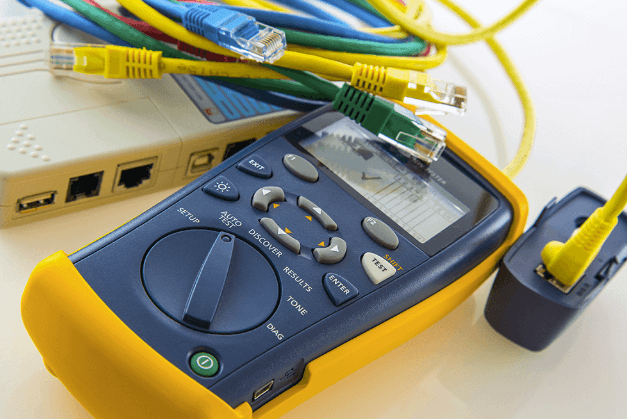
Quick diagnosis starts with a standardized toolkit: verify connectivity, measure throughput, and check for common failure points across hardware and software. The approach is precise and repeatable, focusing on objective data rather than anxiety. Latency visualization guides performance interpretation, while device compatibility confirms tool applicability. Results are interpreted in a detached, methodical tone, fostering informed, independent troubleshooting decisions.
Step-by-Step Fix Paths for Wi-Fi, Printers, and DNS
A structured, step-by-step approach is presented for addressing Wi-Fi, printers, and DNS issues, focusing on reproducible fixes and minimal ambiguity. The guide enumerates repeatable actions: verify connectivity, reset components, test with controlled variables, and document outcomes. It emphasizes wifi tweaks and printer setup as repeatable practices, avoiding assumptions, limiting scope to reliable diagnostics, and delivering precise, actionable resolutions.
Proactive Habits to Prevent Future Problems
Proactive habits prevent recurring disruptions by establishing repeatable routines that maintain network health. The approach emphasizes disciplined monitoring, documented changes, and scheduled reviews to minimize surprises. A detached evaluation identifies failures early, enables swift containment, and preserves autonomy.
While unrelated topic chatter should be avoided, structured sessions permit focused analysis and disciplined improvement.
Random brainstorms yield selective ideas that support scalable, sustainable performance.
Frequently Asked Questions
How Do I Distinguish Between Modem and Router Issues?
The article distinguishes modem vs router issues by isolating device troubleshooting steps: test connectivity after power-cycle, swap cables, and temporarily bypass the router. If devices connect directly to the modem, the router is the likely culprit.
Can I Reset Devices Without Losing Settings?
Resetting devices may reset settings; risk remains. The answer: some resets preserve configurations if using factory-preserve options or backup restores. To be safe: updating firmware and password security settings should be reviewed prior to any reset action.
What’s the Difference Between 2.4 GHZ and 5 GHZ?
2.4 GHz vs 5 GHz: 2.4 GHz band advantages include broader coverage and better wall penetration, but suffers from interference; 5 GHz offers higher speeds with less interference yet reduced range and more drawbacks in obstacle-rich spaces.
How Often Should I Reboot My Network Hardware?
“Time is money,” and reboot frequency depends on hardware, not a fixed schedule. A reliable reboot plan targets firmware updates and stability. Practitioners pursue uptime maintenance with regular, monitored restarts to maintain reliable reboot and network health.
See also: Network Latency and Performance
Do I Need Professional Help for Fiber Installations?
Do I need professional help for fiber installations? The answer: do i need professional help for fiber installations is often yes, especially for termination and testing; however, some basic diagnostics can be attempted before engaging specialized technicians. Distinguish modem vs. router issues methodically.
Conclusion
In addressing home network hiccups, a disciplined, data-driven approach yields dependable outcomes. Begin with objective tests, then iterate fixes for Wi‑Fi, printers, and DNS, logging each change and result. Anticipate objections about complexity or time; emphasize that measured steps reduce guesswork and restore stability faster. By isolating variables and documenting outcomes, one builds a reproducible diagnostic routine that elevates reliability and confidence, turning intermittent issues into understood, manageable problems rather than frustrating surprises.


 By
By